
Timing Confidence for AUTOSAR Projects
Plan, validate, and control ECU timing, latency and performance — across all project phases.
INCHRON helps AUTOSAR project managers identify timing risks early, make informed design decisions, and avoid late integration surprises.
AUTOSAR Classic Platform Systems
Talk to an AUTOSAR Timing Expert
We would be happy to send you further information or show a demo.
Why AUTOSAR Projects Fail Late — Not Early
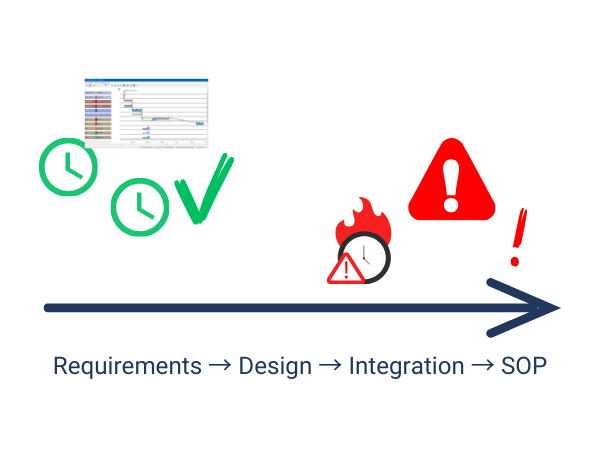
AUTOSAR Classic Platform projects rarely fail due to missing functionality.
They fail because timing, scheduling, and performance issues are detected too late.
As a project manager, you are responsible for:
-
Meeting deadlines without full system visibility
-
Coordinating multiple teams and suppliers
-
Managing risks that only become visible during integration
Without early and continuous timing validation, project control becomes reactive instead of proactive.
Event Chains for OEMs
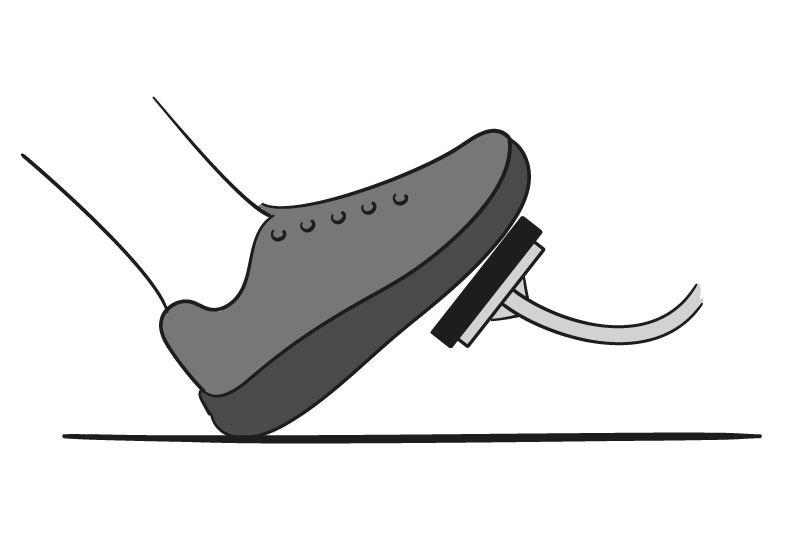
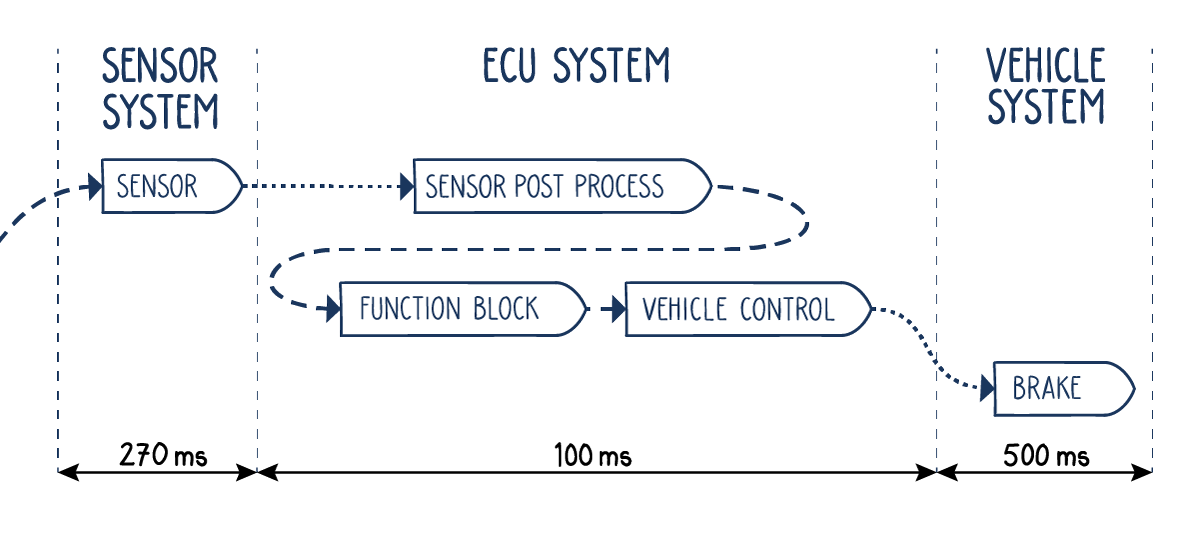
Focusing purely on functionality in requirements documents leaves a lot open to interpretation, especially regarding timing. For example, how much time is there for object detection, decision-making, and brake application in an emergency braking system?
By starting with an end-to-end timing requirement for this chain of events, it becomes clear to all involved what the total available time is for the task. As the project develops, this can be refined, with timing defined for each step in the application’s process.
Event Chains for Tier 1s
Without clarity around the time available to execute functions and tasks, it’s challenging to determine who in a project is responsible for any functional issues that arise.
Demanding timing requirements alongside functional requirements from OEMs makes it easier to determine the cause of software-related issues when communicating with other suppliers working on a project.
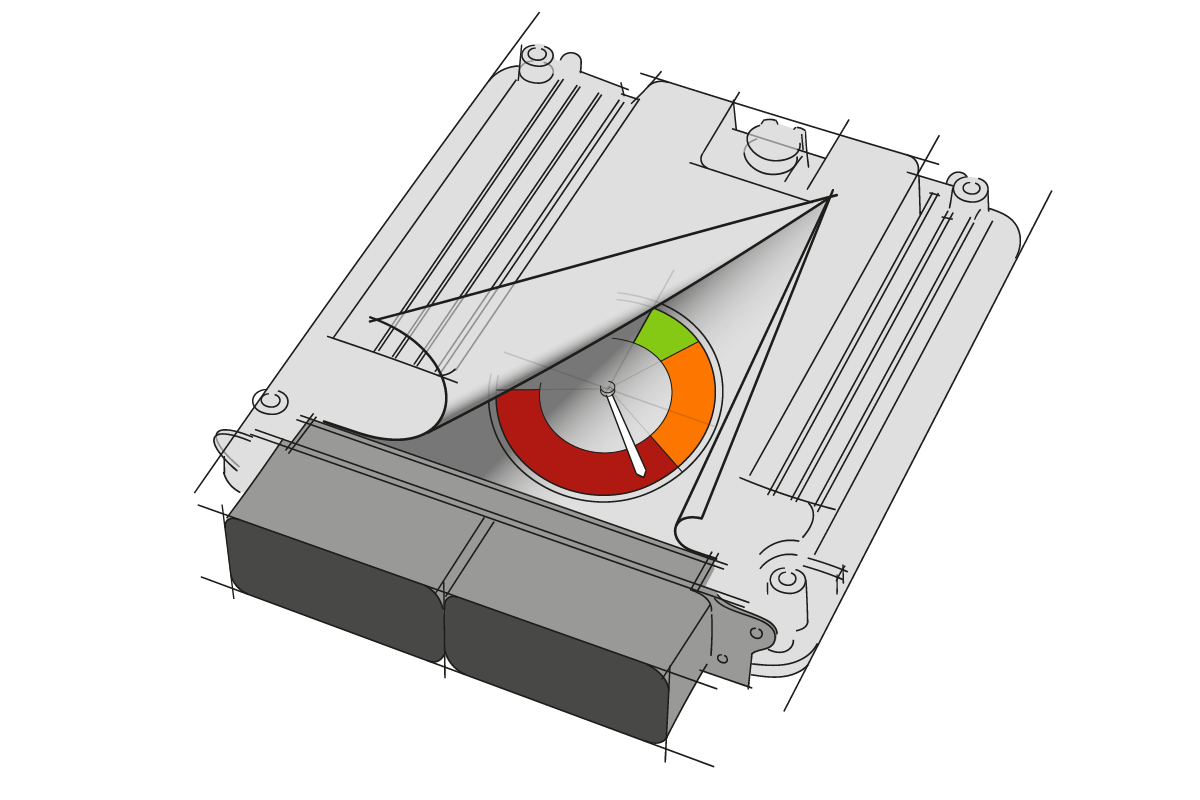
USE CASE: ECU Performance Monitoring
How much more functionality can your automotive ECU support? What impact would moving code from one core to another have? And has your latest code release introduced potential corner-case failures?
INCHRON’s ECU Performance Monitoring service regularly analyzes your ECU’s trace data to ensure that potential performance issues are flagged and can be resolved when they arise.
For more information, take a look here.
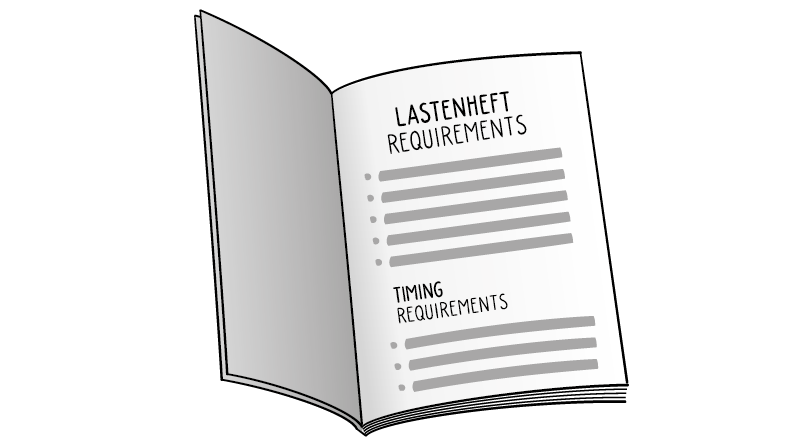
Including Timing in Requirements Documents
Requirements documents for ECUs focus primarily on functionality but offer little information regarding temporal requirements.
This is proving increasingly problematic as more functions are integrated into a single ECU as the industry moves to zonal architectures.
INCHRON’s Requirements Engineering service heightens awareness for timing and event chains by using common language across shared documentation and processes.
From Architecture to SOP — Timing Under Control
INCHRON supports AUTOSAR Classic Platform projects throughout the entire development lifecycle.
By combining simulation, trace-based analysis, and visualization, timing behavior becomes predictable — long before real hardware is available.
Project managers gain transparency, engineering teams gain clarity, and risks are addressed when they are still manageable.
Highlights
-
Early timing validation without target hardware
-
Objective evaluation of design alternatives
-
Continuous insight into scheduling, latency and performance risks
Phase 1: Make Timing Requirements Explicit
In the early project phase, timing requirements are often implicit or incomplete.
INCHRON enables project teams to model event chains, execution times, and constraints based on AUTOSAR ARXML descriptions.
Results for Project Managers
-
Clear, measurable timing requirements
-
Early feasibility assessment
-
Reduced architectural risk
Phase 2: Compare Design Options Before Committing
Design decisions define project success — or failure.
INCHRON allows teams to simulate different scheduling strategies, task mappings, and system variants.
Results for Project Managers
-
Fact-based design decisions
-
Transparent trade-off discussions
-
Reduced redesign effort
Phase 3: Detect Integration Risks Before They Escalate
As software components are implemented, real execution data becomes available.
INCHRON integrates trace data to validate assumptions and uncover hidden timing dependencies.
Results for Project Managers
-
Early detection of critical timing paths
-
Fewer late integration surprises
-
Improved cross-team alignment
Phase 4: Prove Timing Stability with Confidence
Before SOP, timing stability must be demonstrable.
INCHRON provides consistent trace-based analysis and visualization results that support internal reviews and external audits.
Results for Project Managers
-
Objective release readiness assessment
-
Reliable reporting to stakeholders
-
Reduced risk at SOP





What You Gain as a Project Manager

-
Early risk transparency instead of late firefighting
-
Reliable project planning based on timing feasibility
-
Objective decision support across teams and suppliers
-
Reduced integration and rework costs
-
Clear communication with management and customers
Built for Engineers.
Trusted by Project Managers.
INCHRON solutions are designed to reflect real ECU behavior — not theoretical assumptions.
This technical accuracy enables project managers to rely on analysis results when making critical decisions.
Your Benefits
-
Proven in complex AUTOSAR Classic Platform environments
-
Seamless integration with AUTOSAR workflows
-
Focus on realistic timing behavior
“Later project phases were less stressful because frustrating, timing-related sporadic failures did not occur.”
Christian Winkler, MAN Truck & Bus AG, Senior Manager
Bring Timing Control Into Your Project Planning
Learn how INCHRON fits into your AUTOSAR Classic project — and which results you can expect in each phase.
Use the form below to get in touch.